Prof. Oren Raz
How systems relax, heat, and respond when driven far from equilibrium — and where intuition quietly breaks down
Research
The group studies the statistical mechanics of systems pushed away from thermal equilibrium, where the familiar guarantees of equilibrium thermodynamics no longer hold. A central thread is the dynamics of relaxation: how a system in contact with a thermal bath approaches its steady state, and why that approach can be sharply counterintuitive. The anomalous, or Mpemba, effect — in which a hotter system can cool faster than a colder one, and its heating-side analogues — serves as a concrete probe for the structure of relaxation in Markovian and stochastic thermodynamic models.
A second focus is periodically driven systems, where external time-dependent forcing competes with relaxation toward a bath. The group asks when such driving produces a genuine non-equilibrium steady state, how that state differs from an equilibrium one, and what general bounds constrain the work, dissipation, and response. This work connects to broader questions in stochastic thermodynamics — fluctuation relations, thermodynamic inequalities, and the cost of control — and matters because most physical, chemical, and biological processes operate out of equilibrium, where a predictive theory is still being assembled.
Group members
The named roster for each group is generated from the People directory, filtered by this group.
Selected publications
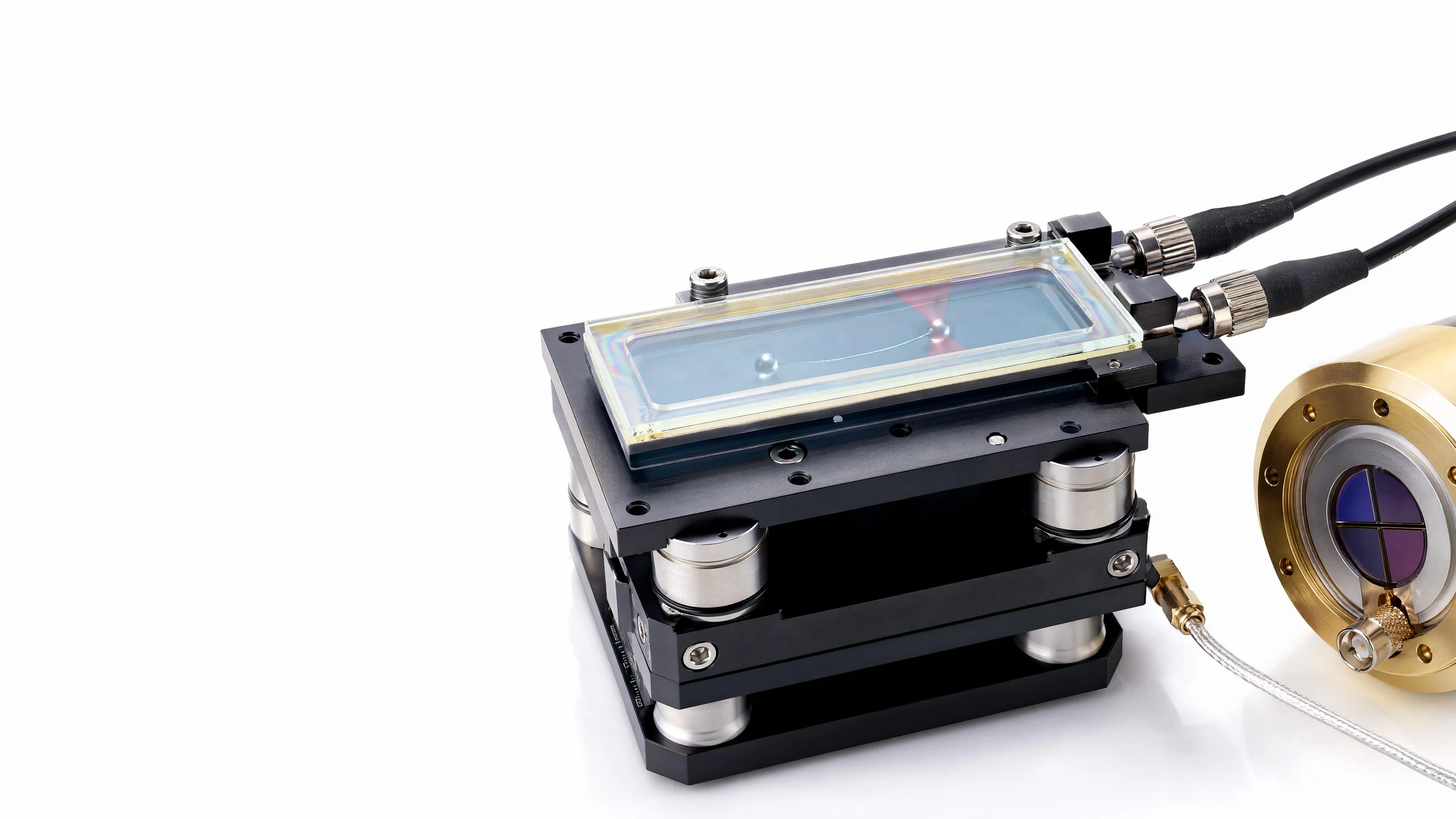
Representative papers from the group — the full record is drawn from ORCID & Google Scholar.
Representative selection — browse the full department list on the Publications page.